Summer storms are common across Western Kentucky, Southern Illinois, Northwest Tennessee, and Southeast Missouri. Heavy rain, lightning, high winds, and power flickers can all affect your HVAC system.
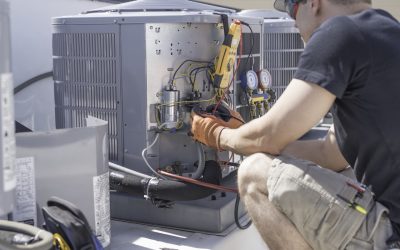
Outdoor units can collect leaves, limbs, grass clippings, and storm debris. Power surges can impact electrical components. Heavy rain can also expose drainage issues around the outdoor unit.
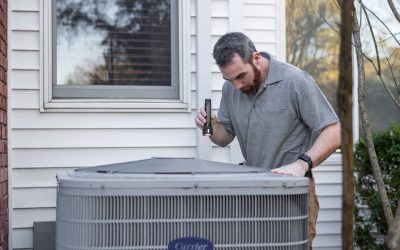
After a storm, check your outdoor unit from a safe distance. Make sure it is clear of debris and that water is draining away from the equipment.
Triangle Tip: Never try to remove debris while the system is running. Turn the system off first, and call Triangle Heating & Cooling if you notice damage, unusual noises, burning smells, or the system will not restart properly.
Why Is There Water Around My Indoor Unit?
Your air conditioner removes moisture from the air as part of the cooling process. That moisture drains away through a condensate line. In humid summer weather, your system may produce more condensation than usual.
If you see water around the indoor unit, it may be caused by:
- A clogged condensate drain
- A cracked drain pan
- A frozen evaporator coil
- Dirty filters restricting airflow
- Improper drainage
This is not something to ignore. Water near your HVAC system can lead to damage, mold concerns, and system performance issues.
Triangle Tip: If you see water around your indoor unit, schedule service before the problem gets worse.
How Do I Know If My AC Needs Repair?
Your air conditioner may need service if you notice:
- Warm air coming from the vents
- Weak airflow
- Unusual noises
- Musty or burning smells
- Higher-than-normal energy bills
- Frequent cycling on and off
- Moisture around the unit
- Uneven temperatures throughout the home
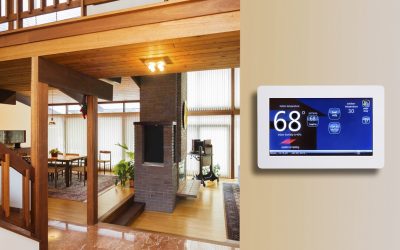
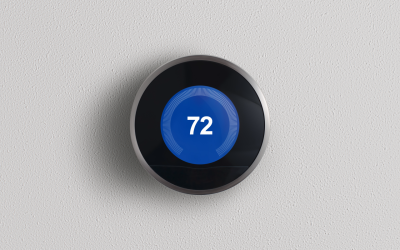
- A thermostat that does not seem accurate
In the middle of a hot, humid summer, small issues can become big problems quickly. The earlier you address the warning signs, the better chance you have of avoiding a major breakdown.
Is Annual HVAC Maintenance Really Necessary?
Yes. Regular HVAC maintenance helps your system run more efficiently, improves comfort, and can extend the life of your equipment.
A summer tune-up allows a technician to inspect, clean, and test important components before your system is under the heaviest seasonal demand.
During a maintenance visit, a technician may check:
- Airflow
- Refrigerant levels
- Electrical connections
- Coils
- Drain lines
- Thermostat operation
- System performance
- Outdoor unit condition
Triangle Tip: In our area, it is best to schedule maintenance before the deepest summer heat settles in. Preventive service is much easier than waiting on a repair during a heat wave.
When Should I Replace My HVAC System Instead of Repairing It?
If your HVAC system is older, needs frequent repairs, struggles to cool your home, or causes rising energy bills, it may be time to consider replacement.
Repairs can solve many issues, but there comes a point when a newer, more efficient system may be the better long-term investment.
A professional can help you compare repair costs, equipment age, efficiency, and your home’s comfort needs so you can make the best decision.
Stay Cool This Summer With Triangle Heating & Cooling
Summers in Western Kentucky, Southern Illinois, Northwest Tennessee, and Southeast Missouri can be hot, humid, and unpredictable. Your HVAC system needs to be ready for long cooling cycles, heavy moisture, sudden storms, and rising energy demand.
By changing filters regularly, keeping your outdoor unit clear, managing humidity, and scheduling routine maintenance, you can help your system run more efficiently all season long.
If your air conditioner is struggling to keep up, making unusual noises, causing high energy bills, or leaving your home feeling sticky and uncomfortable, Triangle Heating & Cooling is here to help.
Contact Triangle Heating & Cooling today to schedule your summer HVAC service and keep your home cool, comfortable, and efficient all season long.
Contact us to schedule an appointment today: 270-443-2424.

About Us
Residential HVAC Services
Maintenance & Repair Services
AC Repair
Furnace Repair
Heating System Repair
Service Plus Program
New System Installations
AC System Installation
Heating System Installation
Blog
Contact Us